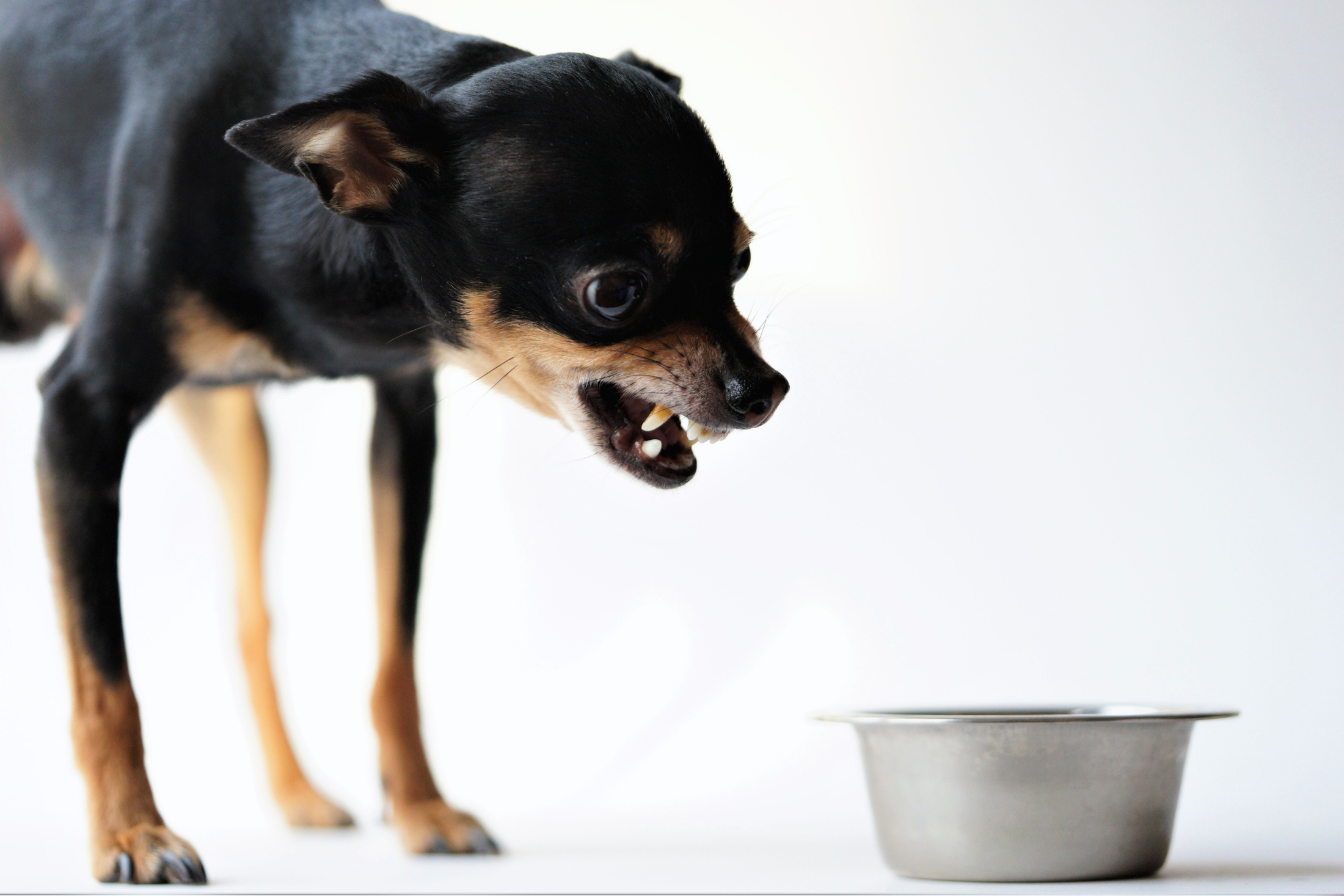
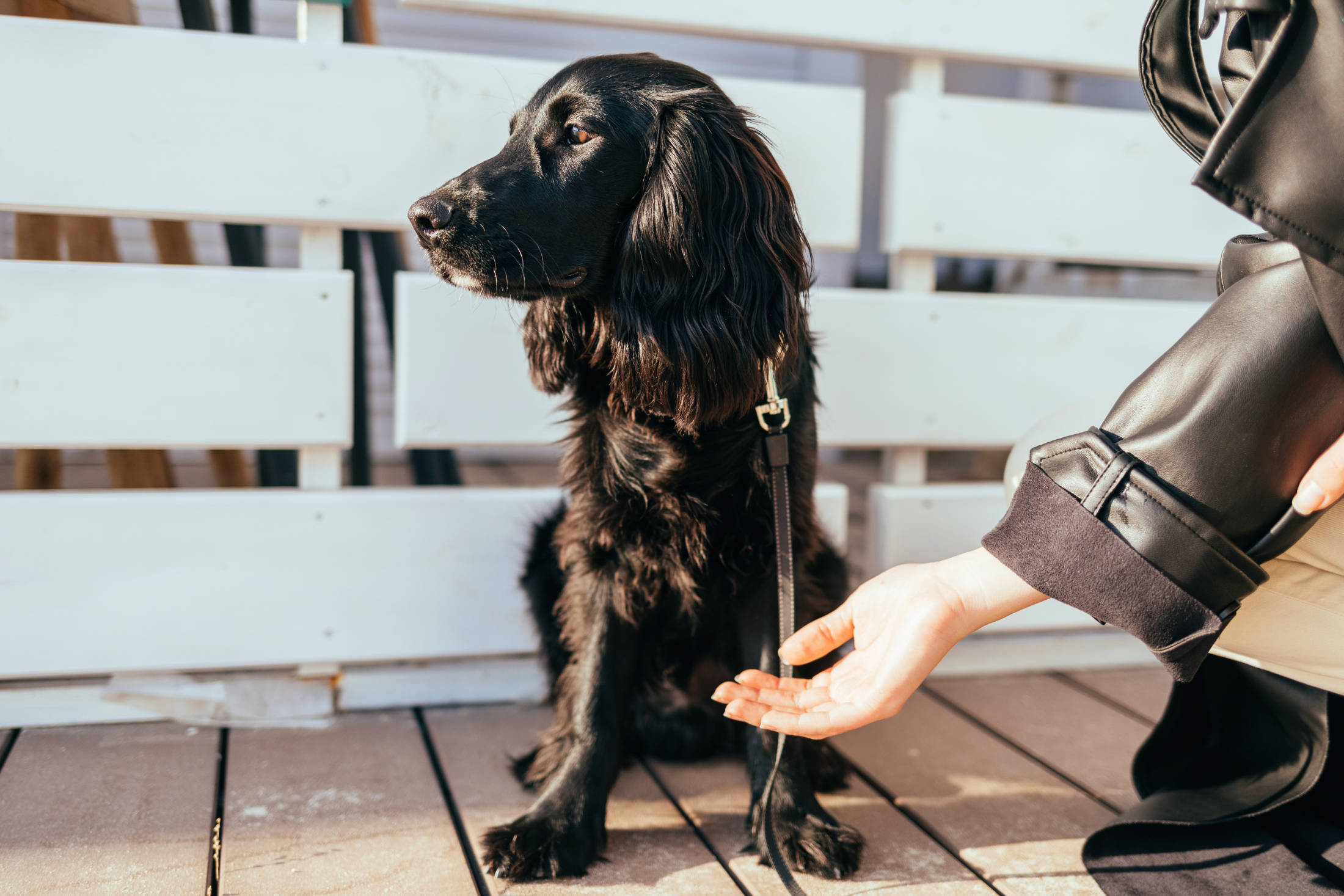
You’ve said it three times now. “Come.” “Come!” “COME!” And your dog looks right at you, then goes back to sniffing the fence line like you’re background noise.
Or maybe it’s the dog who sits beautifully in the kitchen when there’s a treat in your hand, then acts like they’ve never heard the word the moment a guest walks through the door. Or the dog who listens perfectly to your partner and completely ignores you.
It’s easy to land on the obvious explanation: my dog is stubborn. Or my dog is testing me. Or this breed just doesn’t listen. I’ve heard all of them, many times. But after working with more than 6,000 dogs over my career, I can tell you that stubbornness is almost never the real answer.
Here’s the real reason, and it’s better news than it sounds: your dog isn’t refusing to listen. Somewhere along the way, the communication between the two of you broke down. And communication is something you can fix.
Dogs do what works, not what they “should”
Dogs aren’t holding grudges or making a point. They’re constantly and practically figuring out what pays off and what doesn’t. A word you say is only as meaningful as what your dog has learned it predicts.
When a dog “doesn’t listen,” the useful question isn’t, “Why is my dog being difficult?”
It’s, “What has my dog actually learned about this word, in this moment, from me?” Once you ask it that way, the answer is almost always one of the patterns below.
The six real reasons your dog isn’t listening
1. Your dog learned the word in one place, and only one place
Dogs are surprisingly specific learners. A dog who has practiced “sit” a hundred times in the kitchen, facing you, with a treat visible, has often learned something closer to “sit means put my rear down in the kitchen when the treat bag is out.”
Ask for the same sit at the front door, on a walk, or at the dog park, and to your dog, it can genuinely feel like a different request. That’s not defiance. It’s a gap in training that nobody noticed, because the behavior looked solid at home.
The fix starts with: practicing in new places, and starting easy (the backyard, a quiet sidewalk) before working up to the hard ones (the door when the bell rings, the park).
2. You’re competing with something more interesting
A squirrel, a smell, another dog, a person walking by. From your dog’s point of view, the world is full of things that are far more exciting than a word they’ve heard a thousand times.
Most owners ask for their dog’s best behavior in the most distracting moments, without ever having built up to it. That’s a bit like learning to drive in an empty parking lot and then being sent straight onto the freeway at rush hour.
The fix starts with: asking for less in big moments while you build reliability in smaller ones, and making yourself genuinely worth paying attention to.
3. The word has lost its meaning
This one is incredibly common, and nobody does it on purpose. “Come” gets said five times in a row before the dog finally ambles over. “Sit, sit, sit, SIT” becomes the actual cue. “Off” means get off the couch, stop jumping, and drop that sock, all depending on the day.
Even more often, a word picks up a bad association. If “come” usually means the fun ends, the leash goes on, it’s time for a bath, or someone is about to be upset about the trash can, your dog learns that coming when called isn’t a great deal. Hesitating is a completely reasonable response.
The fix starts with: one word, one meaning. Say it once. And make sure the word your dog hears most often is followed by something good, not something they’d rather avoid.
4. Everyone in the house is speaking a different language
One person lets the dog on the couch, another doesn’t. One person says “down” for lie down, another says “down” for stop jumping. One person feeds from the table “just this once” every single night.
To your dog, this isn’t a set of rules. It’s a slot machine. Sometimes jumping works, sometimes it doesn’t, so it’s worth trying every time. Inconsistency doesn’t just slow progress down. It actively teaches a dog to keep trying the behavior you don’t want.
This is also why a dog will listen to one family member and ignore another. Usually, one person has been far more consistent, whether they realize it or not.
The fix starts with: a short family meeting. Agree on the words, agree on the rules, and agree on what happens when the dog follows them.
5. Your body is saying something different than your words
Dogs read body language long before they pay attention to words. That’s how they communicate with each other, and it’s how they read us.
If you say “stay” while leaning toward your dog, your body is inviting them to come. If you call your dog in a tense, frustrated voice while striding toward them, your dog reads pressure, not invitation, and may move away. If you ask for calm while you’re rushed, loud, and moving fast, your dog matches your energy, not your words.
The fix starts with: paying attention to what your posture, voice, and pace are telling your dog. A lot of clients are surprised by how much changes when they slow down, soften their body, and say less.
6. Your dog can’t listen right now (not won’t)
There’s an important difference between a dog who won’t respond and a dog who can’t. A dog who is frightened, overwhelmed, over-aroused, or in pain is running on a different part of the brain than the one that remembers what “sit” means.
That’s why a dog may seem to “ignore” you while barking at another dog on the leash, cowering during a thunderstorm, or right before you leave for the day. It’s not disobedience. It’s a dog who has gone past what they can handle. And if a dog who used to listen well has suddenly stopped, especially alongside stiffness, irritability, or changes in energy, a vet visit is a smart first step to rule out pain. I’ve written more about how stress and pain change behavior in Why Is My Dog Suddenly Aggressive? A Behaviorist’s Framework and Signs of Separation Anxiety in Dogs (and What They Really Mean).
The fix starts with: lowering the pressure. Create distance from whatever is overwhelming your dog first, and ask for behavior only once they’re calm enough to give it.
What “leadership” actually means
Here’s what I tell every client: I’m not there to train your dog. I’m there to train you to lead your dog.
That word, leadership, gets misunderstood a lot. It doesn’t mean being the boss, using a harsh voice, or forcing a dog into submission. The old “dominance” approach has steered a lot of well-meaning owners toward corrections that make dogs more confused and more worried, not more cooperative.
Real leadership looks a lot quieter than that. It means being calm, so your dog isn’t picking up stress from you. It means being clear, so every word means one thing. And most of all, it means being consistent, so the rules are the same today, tomorrow, and no matter who in the family is holding the leash. Dogs naturally look to someone for direction. When that person is calm, clear, and consistent, listening stops being a battle and starts being the easiest choice your dog has.
One client said it better than I could. After we worked together, she realized it’s not the dog, but the dog’s owner who truly needs the guidance. That’s not a criticism of owners. It’s genuinely good news, because it means the solution is in your hands.
What to try this week
You don’t need to overhaul everything at once. Start here:
- Say it once. Give the cue one time, then help your dog succeed rather than repeating it louder.
- Pick one word per behavior. Make sure the whole household uses it.
- Practice in easy places first. From there, gradually add distractions.
- Reward what you like, right away. Especially the quiet good choices that usually go unnoticed.
- Protect your recall. Avoid calling your dog for things they dislike. Go get them instead.
- Notice your body. Slow down, soften your posture, and lower your voice before you ask for anything.
- Write down where it breaks down. Which words, which places, which people. That pattern is often the most useful thing you can bring to a consultation.
Why this works so well over video
Because the problem lives in the communication between you and your dog, this is exactly the kind of work that fits a virtual session. Your dog doesn’t even need to be in the room for most of it. The most important person in the session is you. We talk through where things fall apart, I watch how you ask for behavior when it helps to see it, and you leave with a clear plan for your specific dog and household, including everyone else who lives with them.
If you’re wondering what that first conversation looks like, I’ve walked through it here: What to Expect in a Dog Behavior Consultation. And if you’re weighing formats, here’s my honest take: Online vs. In-Person Dog Training: An Honest Comparison from a 25-Year Behaviorist.
Why vets send me their “he just won’t listen” cases
“My dog won’t listen” is one of the most common things I hear, and it covers a huge range of dogs: young dogs with more energy than structure, rescues still figuring out what words mean in a new home, dogs who listen perfectly to one family member and ignore everyone else, and dogs whose “not listening” turned out to be fear, anxiety, or pain hiding underneath. For over 25 years, veterinarians and other animal professionals have trusted me with these cases because the surface problem is rarely the real one. Figuring out why a dog isn’t responding is where the actual work happens, and it’s work I’ve been doing with thousands of dogs and their families for decades.
Listening starts with you
Your dog isn’t stubborn, spiteful, or testing you. When a dog doesn’t listen, there’s almost always a reason underneath: a cue learned in only one place, a distraction that’s more rewarding, a word that’s lost its meaning, mixed signals at home, or a dog too stressed to respond. Each of these has a fix, and each fix starts with you becoming a calmer, clearer, more consistent leader for your dog.
If you’re not sure which of these is happening with your dog, that’s exactly what a Free Behavior Consult is for. Tell me what’s going on, and we’ll work through the next steps together.