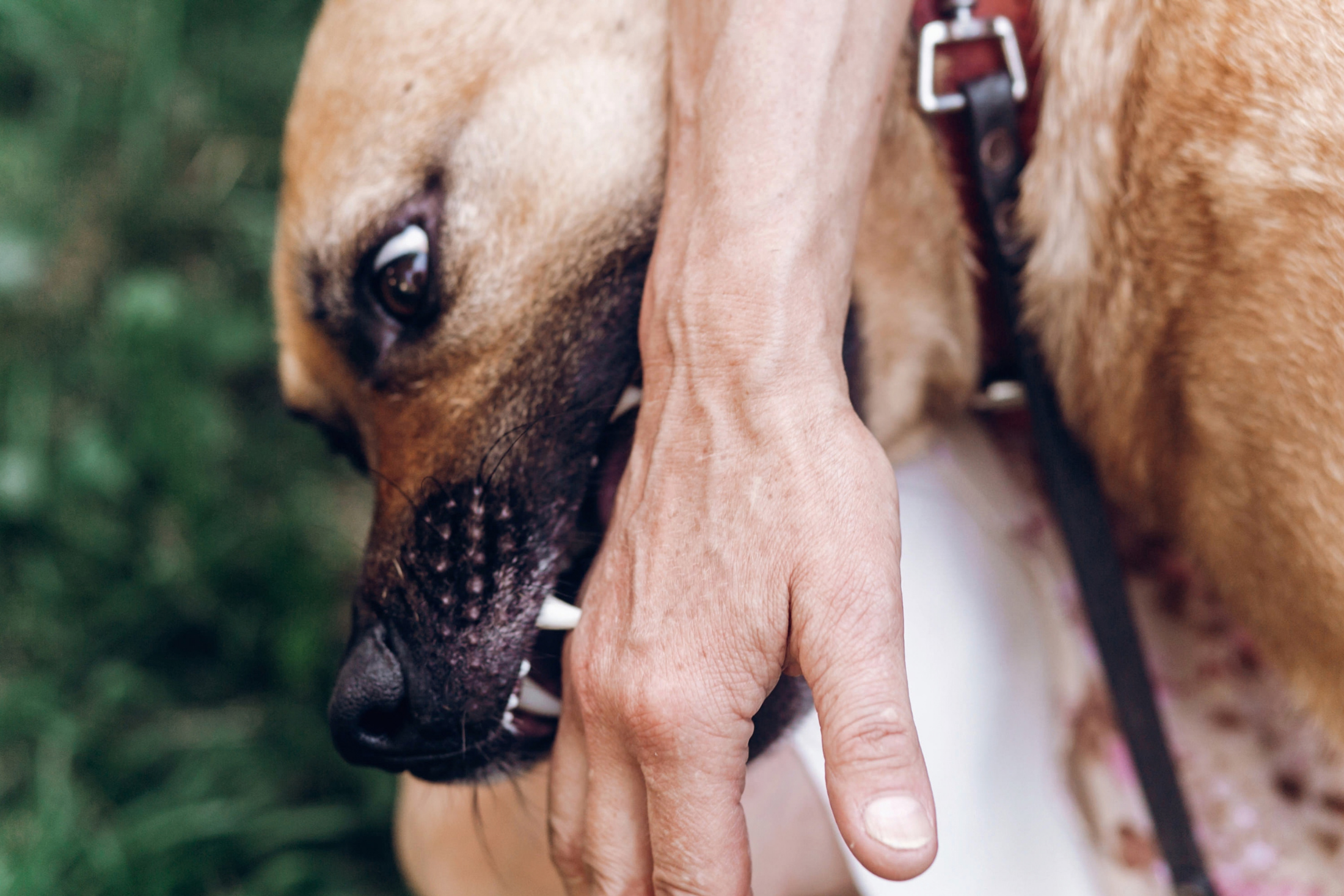
It happened fast. A hand reached toward your dog, a kid ran past, a guest leaned in for a hello — and in a split second, your dog bit. Now your heart is pounding, someone may be hurt, and the questions are piling up faster than you can sort them: Is everyone okay? Am I in trouble? Is my dog dangerous? What happens now?
First, slow down. A bite is serious, and it deserves to be taken seriously — but it is not the end of the story for your dog, and it is rarely as random as it feels in the moment.
In more than 25 years and 6,000 dogs, I’ve worked with a great many families who were exactly where you are right now. What you do in the next few hours and days matters a lot, both for the person who was bitten and for your dog’s future.
Here’s what to do, in order.
In the first hour: safety first, for everyone
Calmly separate your dog
Before anything else, put space between your dog and everyone else. Lead your dog to a crate, a closed room, or another secure area — calmly. Yelling, grabbing the collar roughly, or physically punishing your dog right now can escalate an already aroused dog and risk a second bite. Your only goal in this moment is distance.
Take care of the person who was bitten
Wash the wound gently and thoroughly with soap and warm water, and encourage the person to seek medical attention — especially for any puncture, any bite to the face or hands, any bite to a child, or any bite that’s bleeding heavily. Even bites that look minor can become infected. This is not the moment to downplay what happened or debate whose fault it was. Be kind, be present, and be helpful.
Share the information that matters
If the person bitten isn’t a member of your household, exchange names and contact information, and be ready to share your dog’s rabies vaccination status. If you don’t have your records handy, your vet’s office can provide them.
In the next few days: practical follow-through
Check your local requirements
Rules around dog bites vary widely by city, county, and state. Many areas require bites to be reported to animal control, and many require an observation period — often around ten days — during which your dog is monitored, usually at home. Medical providers are sometimes required to report bites they treat, so it’s worth knowing the rules where you live before anyone calls you. A quick call to your local animal control office will tell you exactly what applies to you.
Call your vet
This step does double duty. Your vet can confirm vaccination records, and — just as importantly — they can check for something that’s easy to miss: pain. A dog who bites when touched, picked up, or startled from sleep is very often a dog who hurts somewhere. Arthritis, dental disease, and ear infections are some of the most common hidden causes I see behind a bite that “came out of nowhere.”
I won’t build a behavior plan around a dog who’s actually in pain, and you shouldn’t either. I walk through this and five other common causes in detail here: Why Is My Dog Suddenly Aggressive? A Behaviorist’s Framework.
Write everything down while it’s fresh
This is the single most useful thing you can do for your dog right now, and almost no one does it. While the details are still clear, write down:
- What happened in the minutes before the bite — who was there, what they were doing, where your dog was
- Your dog’s body language leading up to it — stiffening, freezing, a hard stare, lip licking, a growl, a lifted lip
- The bite itself — a single quick snap and release, or a hold? Did it break skin? How deep?
- What the rest of the day looked like — was it busy, loud, unusual, or stressful?
- Anything similar that’s happened before — even if it seemed minor at the time
Those details tell me more about your dog than almost anything else. The difference between a fearful dog who snapped once to make space and a dog who bit with real intensity is enormous — and the plan for each looks completely different.
Until you have a plan: Manage, don’t test
The goal for the next few weeks is simple: prevent a second bite while you figure out why the first one happened.
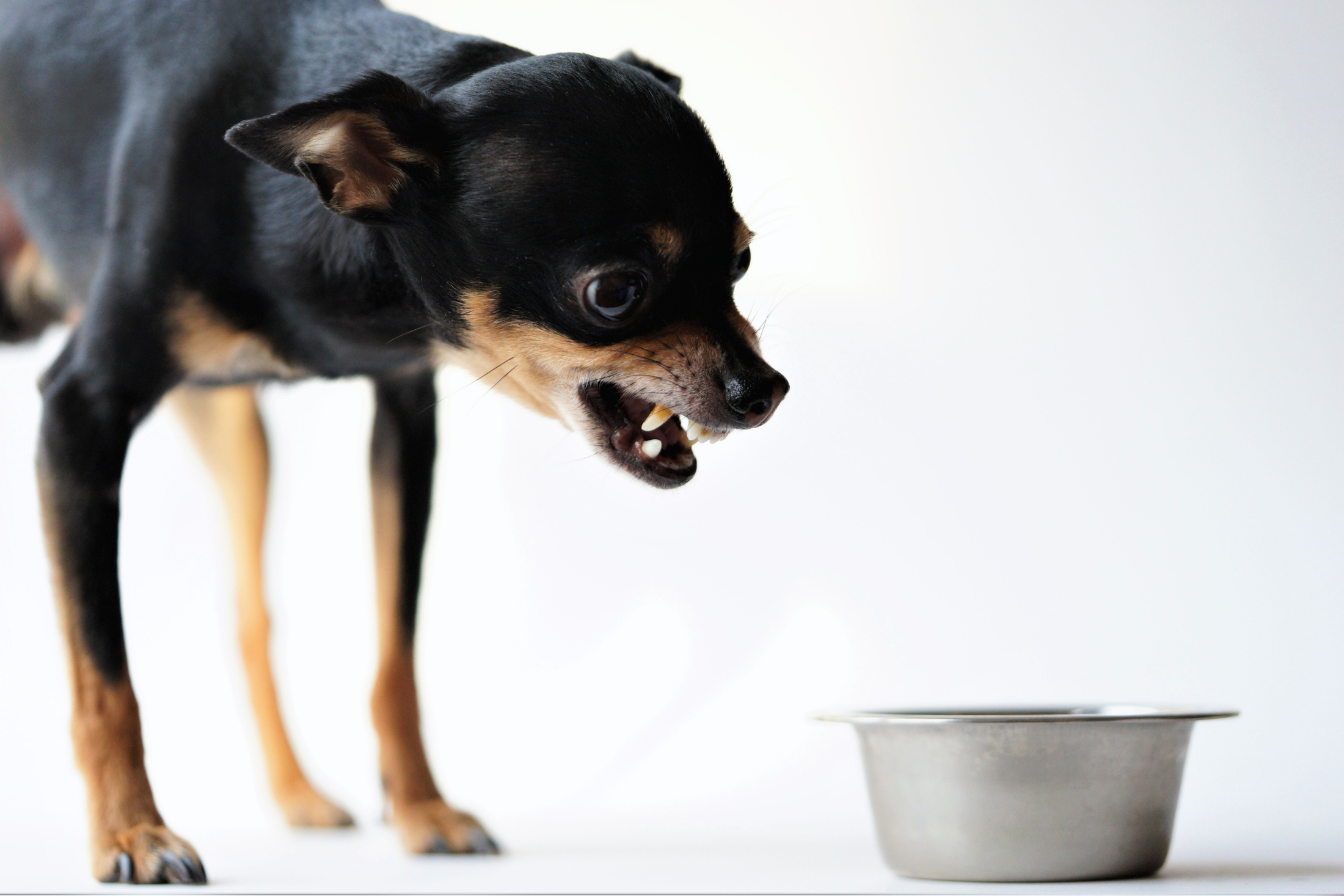
- Avoid the situation that led to the bite. If it happened when a guest reached over your dog, your dog doesn’t greet guests for now. If it happened around a food bowl, your dog eats alone in a closed room.
- Use barriers generously. Baby gates, crates, closed doors, and leashes indoors are tools, not punishments.
- Supervise every interaction with children. When you can’t supervise, separate. Full stop.
- Consider muzzle training. A well-fitted basket muzzle, introduced gradually and paired with treats, lets your dog pant, drink, and take food while keeping everyone safe. Many dogs learn to love theirs.
- Don’t “test” your dog to see if it happens again. Recreating the situation to find out how your dog reacts only rehearses the behavior you’re trying to change.
What not to do
A few common reactions feel right in the moment and make things harder later:
- Don’t punish the growl. If your dog growled before biting, that growl was a warning — your dog’s way of saying “I’m at my limit.” Punish it, and you don’t remove the discomfort; you remove the warning. The next bite comes with no notice at all.
- Don’t make a permanent decision in a panic. Rehoming or euthanasia decisions made in the first 48 hours, before anyone understands why the bite happened, are decisions many families later wish they’d waited on. Get the information first.
- Don’t assume it was a one-time fluke. It might have been — but bites almost always have a buildup, even when owners didn’t see it. Treat it as information, not bad luck.
- Don’t assume your dog is “ruined,” either. One bite does not define a dog. Most dogs who bite are telling you something specific about fear, pain, stress, or a resource they feel they need to protect — and specific problems have specific solutions.
Can a dog who has bitten really be helped?
In the vast majority of cases, yes. A bite tells us your dog was pushed past a threshold. The work is figuring out what pushed them there and building a plan that keeps them well below it — while you learn to read the early signals your dog was likely giving all along.
This is also where working together virtually has a real advantage. Your dog doesn’t need to be on camera for most of a session — the most important person in the room is you. That means there’s no unfamiliar person walking into your home and into your dog’s space right after a bite, adding stress to a dog who is already on edge. Instead, we go through your notes, the moments leading up to the bite, your home layout, and your dog’s history in detail, and you leave with a clear, structured plan to put in place right away.
If you’re weighing formats, I’ve laid out the full comparison here: Online vs. In-Person Dog Training: An Honest Comparison from a 25-Year Behaviorist.
Why vets and professionals send bite cases my way
I don’t talk about bites in the abstract. Through police K9 and Schutzhund training, I’ve taken my share of intentional bites — the controlled kind, delivered on cue in a training setting. And I’ve been bitten unintentionally, too: warning bites from dogs telling me they’d reached their limit, and full-on attacks from dogs who meant every bit of it. So I’ll never tell you a bite is no big deal.
Dog bites are nothing to take lightly — and having been on the receiving end of nearly every kind, I know exactly how much the moments before a bite can tell us.
Through decades of experience, I’ve worked bite cases of nearly every kind — dogs who bit strangers, family members, children, veterinary staff, and other dogs; dogs who bit once and dogs with a long history; dogs whose behavior hadn’t responded to previous training efforts. Veterinarians and other animal professionals have trusted me with these cases for decades, precisely because they’re the ones where getting the root cause right matters most. If your dog’s bite doesn’t fit a neat category, that’s not a reason to feel alone with it. It’s exactly the kind of case I want to see.
Your next steps
After a bite: separate calmly, care for the person who was hurt, know your local requirements, see your vet, and write down everything while it’s fresh. Then manage carefully — barriers, supervision, no testing — until you understand what actually caused it. A bite is serious, but it is also information, and with the right plan, most dogs and families move forward from it.
Answers start with a Foundational Behavior Session, built to uncover why your dog bit, what’s driving it, and what a real plan for your dog looks like.