Halloween is one of the most fun nights of the year for us, and one of the most overwhelming for our dogs. Candles flicker at nose height, and candy sits within easy reach. The doorbell rings every few minutes, and the people behind the door look nothing like the people your dog knows. For a dog, it can feel like the whole world changed overnight, and nobody explained why.
The candy and the decorations matter. But the greatest risk on Halloween is usually your dog’s reaction to the night itself. A little planning now means a happy, safe night for everyone, and the front door is where most of that planning matters.
After more than 25 years of helping dogs and their families, I’ve seen how quickly a “totally fine with visitors” dog can come undone on October 31st. Here’s what to know.
The Front Door: Halloween’s Biggest Challenge
Dogs who’ve never had a problem with visitors can suddenly struggle on Halloween. That surprises a lot of people. Dozens of strangers arrive, knock, and look completely different from anyone your dog has met before. That’s a lot for a nervous system to process, and the stress builds with each ring, so by the twentieth visitor your dog may be far less tolerant than at the first.
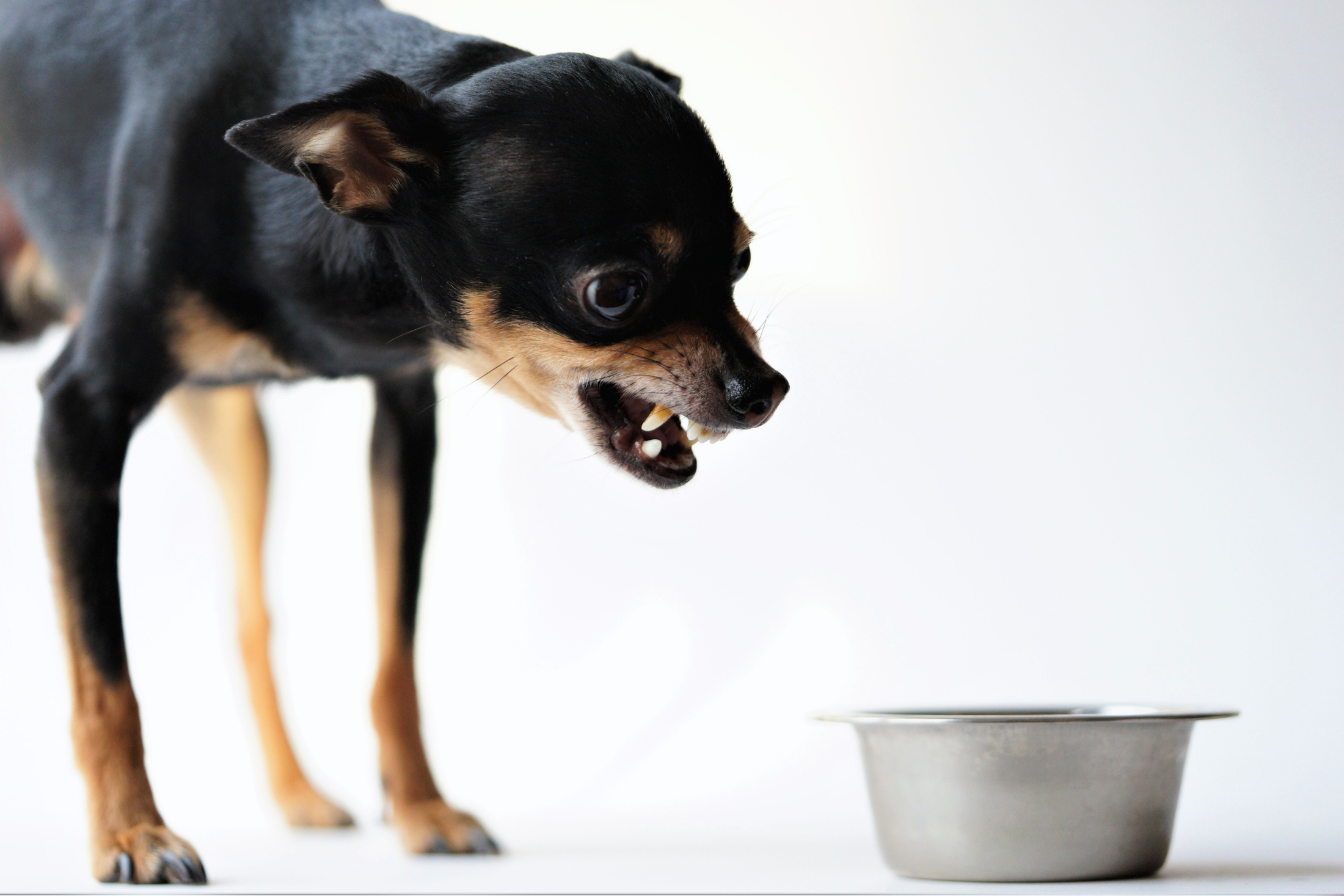
Some dogs respond with fear, which can show up as barking, lunging or even snapping. Others get so excited that they bolt out the door to say hello and end up loose in the neighborhood. Both reactions come from the same place: a dog who is overwhelmed and doesn’t know what to do with all that energy.
What helps:
- Social butterflies: Keep them on a leash beside you while you answer the door. That way they can enjoy the visitors without a chance to slip outside.
- Worried or overexcited dogs: Set them up in a quiet room with a long-lasting chew. This doesn’t cost them the fun. It gives them a calm, safe space away from the chaos. Soft music or a white noise machine can help muffle the knocking.
- Start practicing now: Ring the doorbell, then toss a treat onto a mat or into another room. A few short sessions a day this month can change the doorbell’s meaning from “panic” to “snacks.” Keep each session brief and upbeat, and stop while your dog is still relaxed.
Keep All Pets Indoors
Sadly, some people use Halloween as an excuse for cruel pranks, and pets have been targets. Don’t take the chance. Keep dogs and cats inside and supervised on and around Halloween night. Plan your dog’s evening walk for before dark, so they can get their exercise before the trick-or-treaters arrive.
Jack-O’-Lanterns: Look, Don’t Sniff
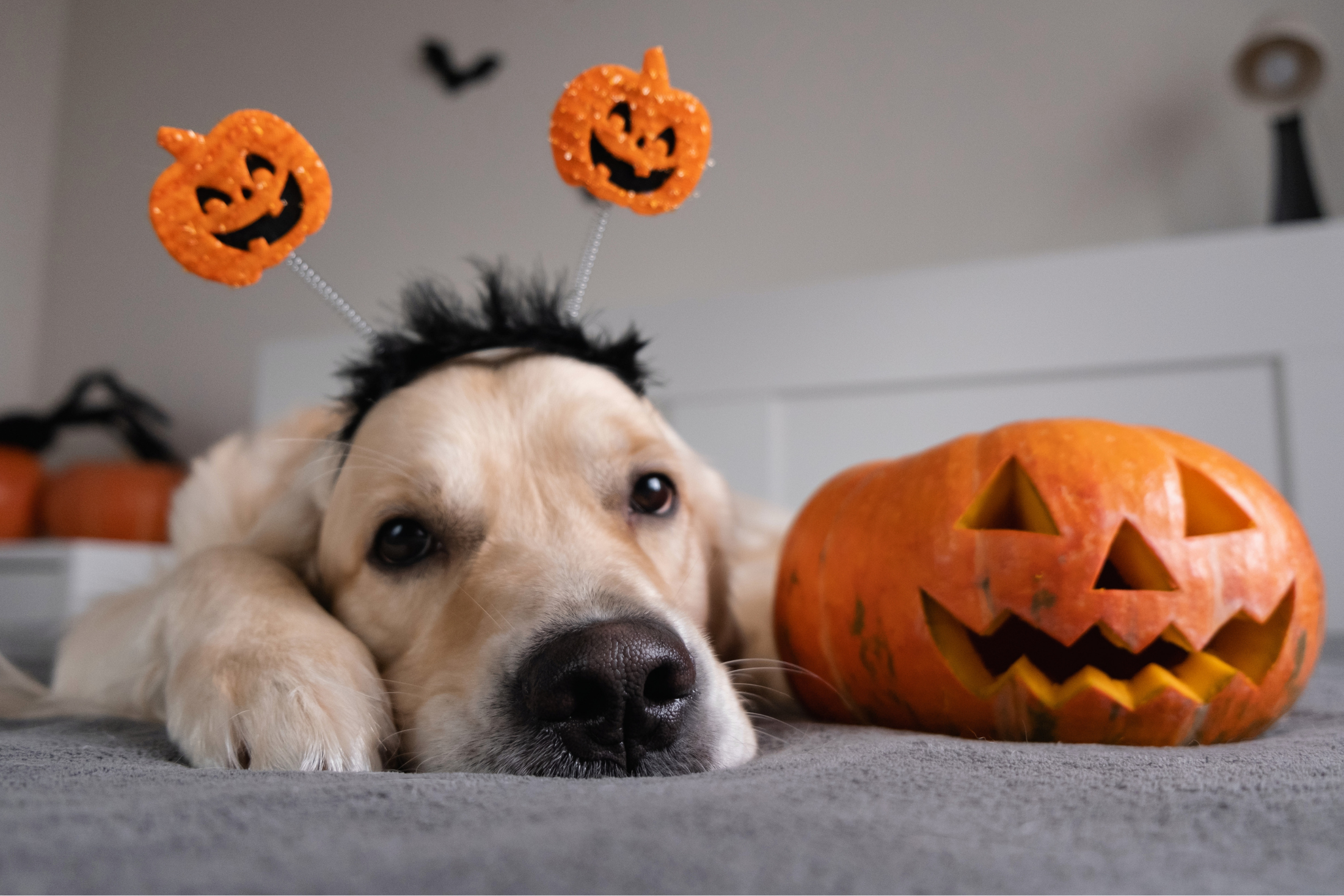
A flickering face is irresistible to a curious nose, and one close sniff can mean singed whiskers or a burned snout. Keep lit pumpkins up high and out of reach, or switch to battery-powered LED candles. A wagging tail can knock over a candle just as easily as a nose, so watch tabletops and porch steps too.
Plain pumpkin is generally safe, but large chunks can upset a dog’s stomach or even cause an intestinal blockage. Toss carved pumpkins once they start to soften or mold. Moldy pumpkin can make dogs sick, so don’t leave it sitting out on the porch.
Candy: Out of Sight, Out of Mouth
Chocolate is toxic to dogs, and the darker it is, the more dangerous it is. Wrappers carry their own risk because they can cause choking or blockages. Keep the candy bowl and the kids’ trick-or-treat bags well out of reach. It also helps to remind little ones that sharing their treats with the dog isn’t a kind gesture this time of year.
Two more to watch for:
- Xylitol: This sweetener is found in sugar-free candy and gum. Even a small amount can be very dangerous for dogs. It can cause a rapid drop in blood sugar, so check labels on anything sugar-free.
- Raisins and grapes: These are common in snack packs, and they can damage a dog’s kidneys. There’s no known safe amount, so it’s best to avoid them entirely.
Costumes: Only If They’re Having Fun Too
A dog dressed as a hot dog, a bumblebee or an angel is adorable, but only if the dog is enjoying it. If you plan to dress up your pup, try the costume on at home in short sessions ahead of time, paired with treats and praise.
- Not having fun: If your dog is freezing, hiding or refusing to move, take the costume off. Our dogs shouldn’t have to be uncomfortable for our entertainment.
- Having a blast: If your dog is wagging, wiggling and strutting around soaking up the attention, go for it. Just make sure they can see, breathe and move freely, and stay nearby while they wear it.
Other Fall Hazards
Halloween isn’t the only seasonal risk. Cooler weather brings a few hazards that are easy to overlook.
- Decorations: Glow sticks, fake cobwebs and cords from light-up decorations can be chewed or swallowed.
- Antifreeze: It tastes sweet to pets, and it’s deadly. Wipe up spills right away.
- Rodent bait: It often goes out as the weather cools. Keep it far from paws.
- Wild mushrooms: Wet fall yards are full of them this time of year. Check your yard before letting your dog out.
- ID check: Make sure your dog’s collar tags and microchip info are current, in case anyone slips out the door.
If Your Pet Eats Something They Shouldn’t
Call your vet or an emergency clinic right away. Don’t wait for symptoms to appear. The ASPCA Animal Poison Control Center is available 24/7 at (888) 426-4435. A consultation fee may apply. If you can, have the packaging on hand and be ready to share what your dog ate, roughly how much, and when.
Preparing Virtually, From Home
Doorbell reactivity is one of the easiest challenges to work on virtually. Your dog stays in the exact environment where the behavior happens, and I can see your real door, your real routine and your dog’s real response. That’s where lasting change starts. Together we can build a plan you can practice between sessions, right where it matters most. The weeks leading up to Halloween are the best time to get ahead of it, so schedule your Foundational Behavior Session while there’s still time to prepare.
A Calm, Safe Night Ahead
Halloween is mostly about managing the environment. Keep treats, flames and front doors under control, and let your dog’s comfort decide how involved they are in the festivities. If the doorbell is already a struggle, there’s still time to make real progress before the 31st. A few weeks of focused support can make Halloween night feel very different for you and your pup.